InvestEngine
During my one year and ten months at InvestEngine, assets under management grew from 750 million to 3 billion pounds. I’m not saying that this is down to me and the design department I managed, but such rapid growth would not have been possible without our contribution. Under my leadership, a vast array of marketing materials was created and features were incorporated into the product to attract new clients.
As an FCA-regulated firm, InvestEngine must respond to changes in regulatory requirements. As well as formally complying with the requirements, we also had to adhere to the spirit of the FCA’s guidance, which requires designers to have a deep understanding of the regulatory body’s principles and philosophy.
I once had a simple task – to modernise the look of some legal documents made available to users for download. The documents contained a description of the tariffs and other terms and conditions. Whilst applying the new style to the document, I discovered that the paragraph numbering was incorrect. I then noticed that some of the text referred to the wrong clauses in the contract. It then became apparent that the definitions of terms used in the contract were provided after those terms had already been used. To top it all off, it turned out that some figures (such as commission amounts) in the text and in the tables did not match.
I highlighted all the odd bits, clarified the information and submitted a fixed version of the document. This set the legal department in motion and led to a two-week process of re-checking, revising and approving the documents. This is what I call ownership: a designer always puts themselves in the user’s shoes, immerses themselves in the user’s experience and does everything in their power – even beyond the scope of their direct responsibilities – to eliminate shortcomings and inconsistencies. This is particularly true when it comes to legal matters.
Protecting user data is another important issue. As a use case designer, I need to understand what data can actually be protected and what is entirely up to the user – and to explain this through the interface. Working on two-factor authentication required me to immerse myself fully in attack scenarios and, together with the developers, find ways to prevent them.
On one occasion, we had to disable a key feature in our products until we had added certain user scenarios. In this case, the speed of the design process was critical, because the company was losing profit every day that the feature was not working. Receiving feedback and holding discussions with compliance team was an almost daily occurrence at InvestEngine.
WeavePay
Whilst working on optimising the registration process at WeavePay, I reduced the amount of data users had to enter by 41%. I managed to find some rather elegant solutions. Users are usually asked: “Are you a US citizen or tax resident?”. Special rules apply in such cases. In addition, users are asked to specify the citizenship of all countries they hold, in order to prevent the service from being provided to citizens of countries subject to sanctions.
From a legal perspective, these are separate issues, handled by different lawyers – one is responsible for tax, another for sanctions, a third for money laundering, and they all set out their own requirements for the interface. But from the user’s perspective, it is a single registration process, and I looked at it precisely through the eyes of the user.
I thought the questions could be combined. After consulting with our legal team, I learnt that the responsibility for concealing information about citizenship lies entirely with the user. Therefore, the interface can offer to add citizenship of several countries, but we should not take on responsibility for concealment of US citizenship. So a separate question about the US is not needed. I proposed a number of similar improvements and agreed them with the legal team. This helped to shorten the form, significantly speed up the registration process for most users and at the same time not miss any data. I’ve already pulled off a similar trick in Open Investments: compare the form using the old and new approaches:
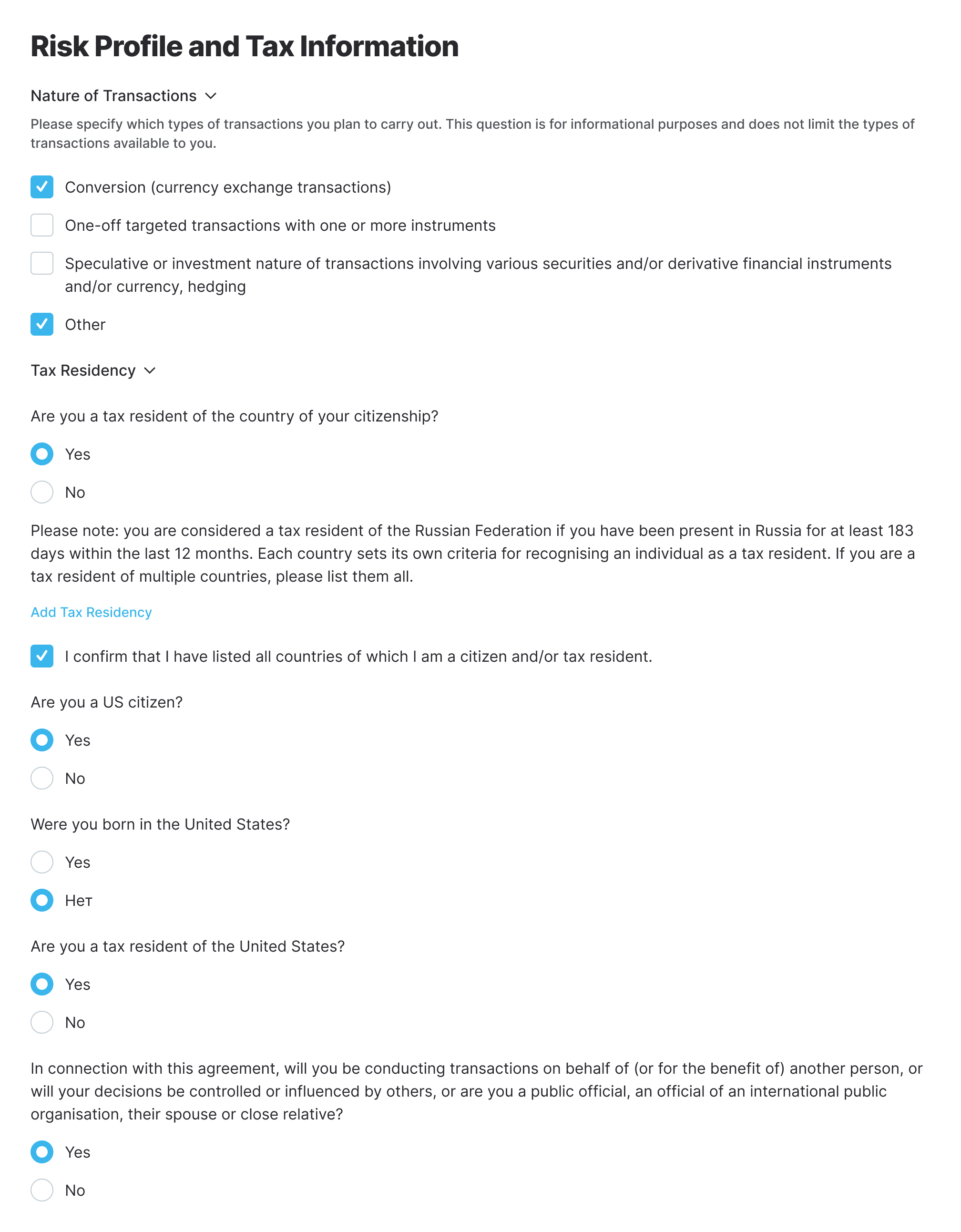
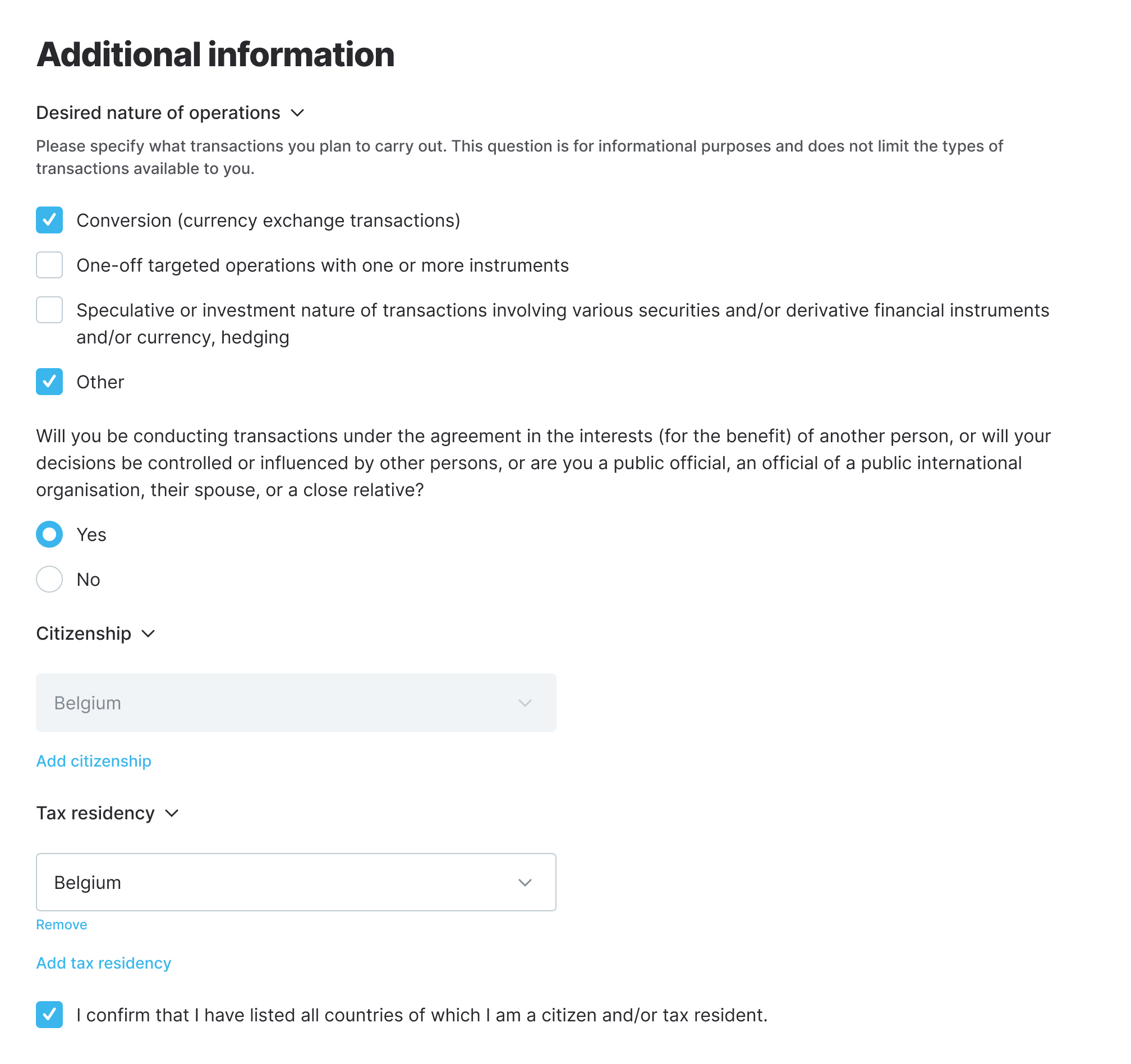
I also persuaded the lawyers to replace legal terms such as ‘PEP’ (politically exposed person) with more human-sounding ones like ‘I am politically exposed in’ (followed by a country of choice).

Unlimit
Unlimit (formerly known as CardPay), an international fintech company and payment provider, is a B2B platform that provides payment infrastructure for businesses and serves thousands of online shops from around the world, processing payments from over 1 billion consumers. 200+ countries, 16 local offices worldwide, 150+ currencies, 1,000+ payment methods.
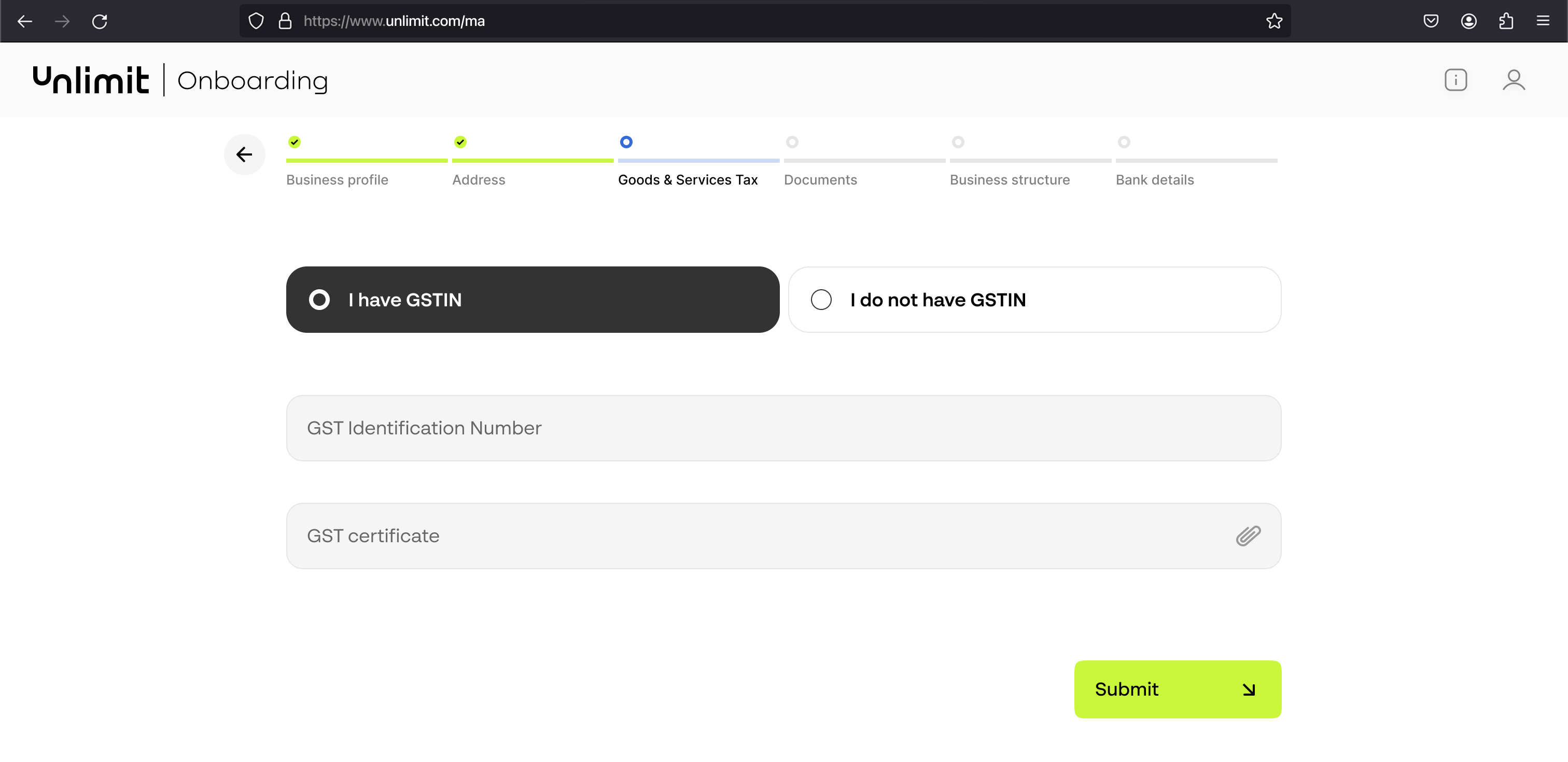
Whilst I was working at Unlimit, the Indian division was expanding rapidly, and I had to familiarise myself with specific local legal terms and even explain them to the Indian staff.
Acronis
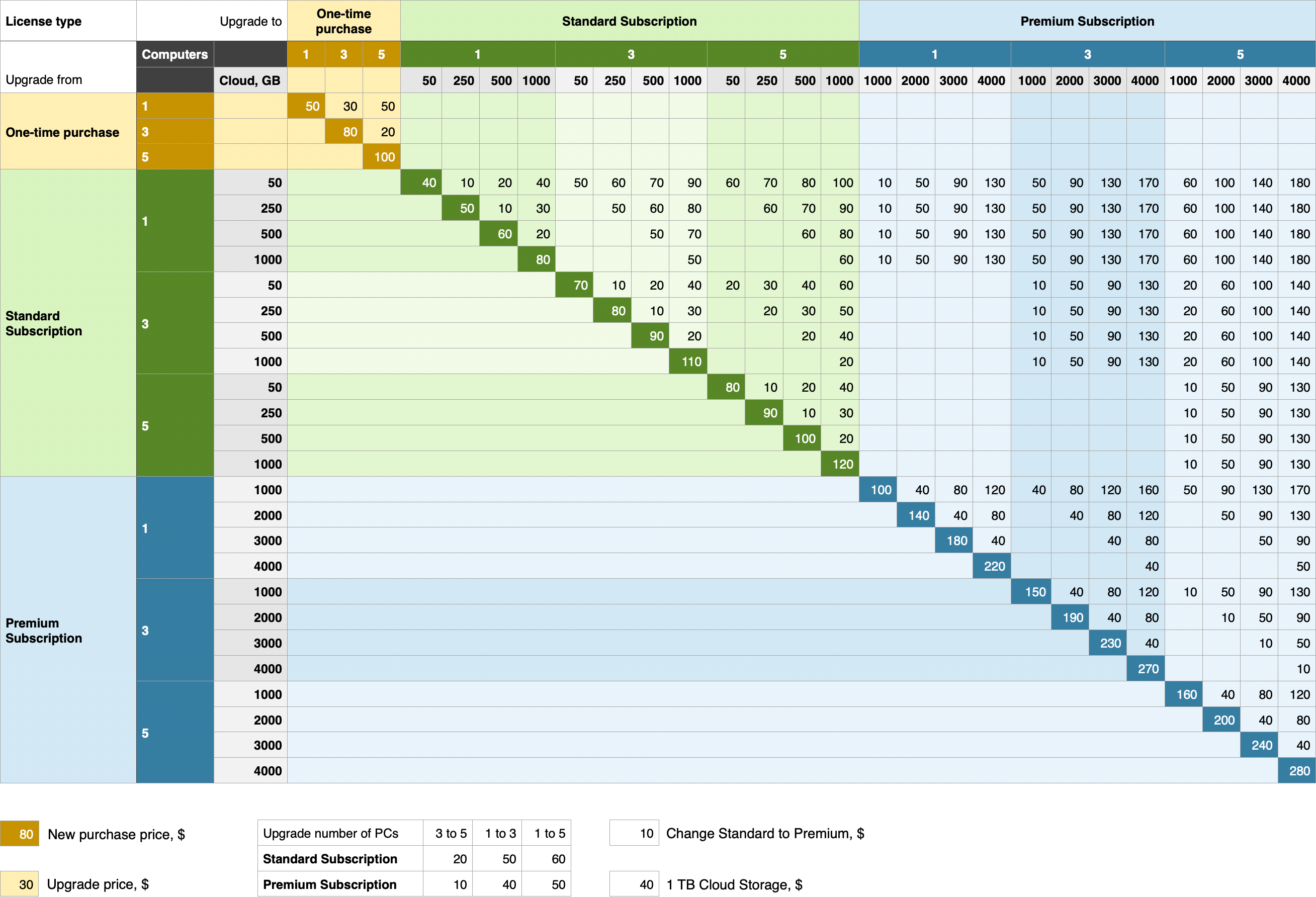
Whilst working at Acronis, I realised that nobody really knew the cost of upgrading a subscription service, because there are so many possible combinations, and different managers are responsible for different types of subscriptions. Taking the initiative, I gathered all the available data and worked out how to organise it into a clear table. Managers began using this document, and, most importantly, we were able to provide users with a clear understanding of the pricing plans, which is important from the perspective of consumer rights legislation. Clearly, my initiative went far beyond interface design to encompass the overall customer experience, whilst also resolving potential legal issues.
Open Investment
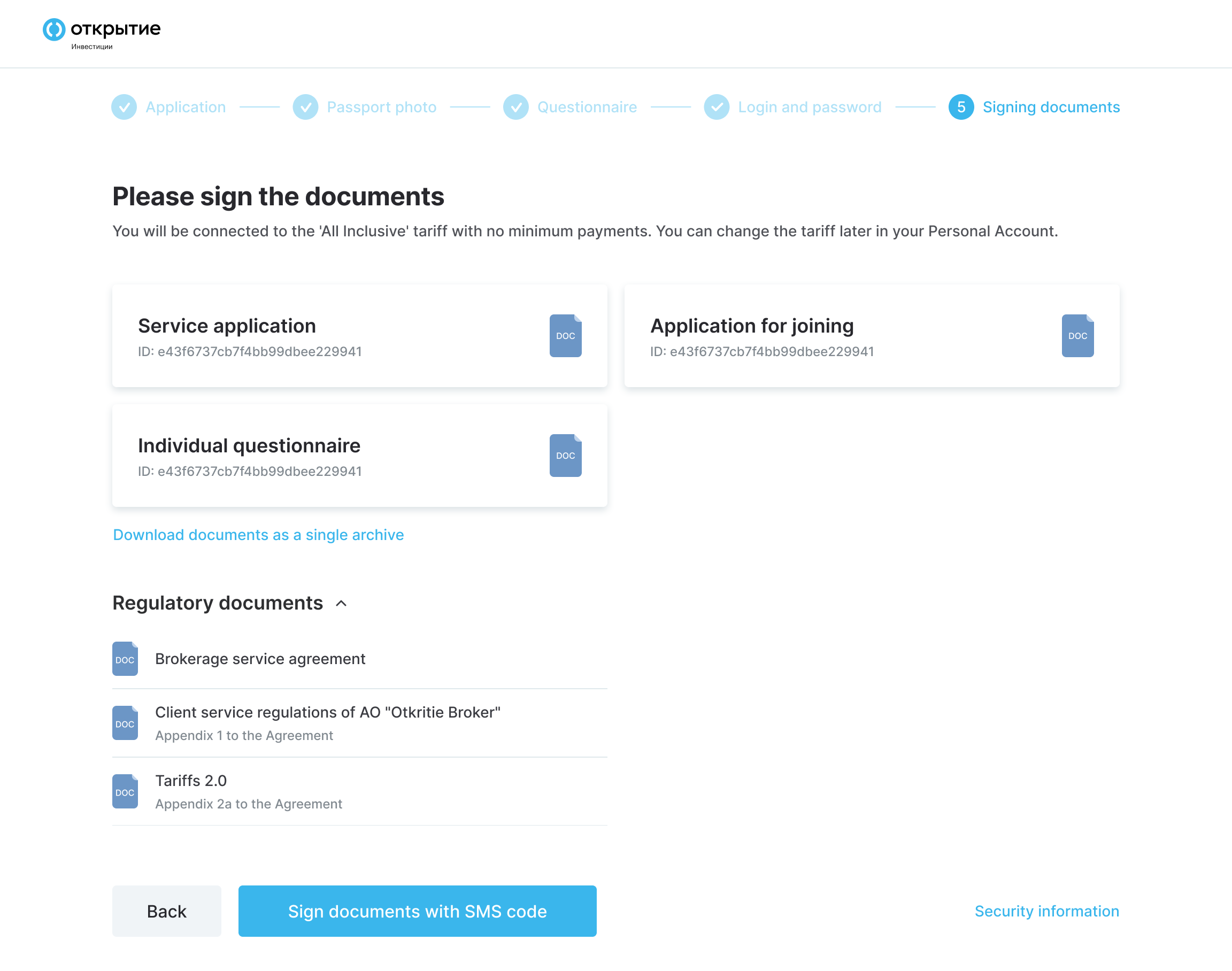
At Open Investment, I put a lot of effort into optimising the registration process. It’s hard to believe, but in the end I managed to increase the conversion rate by 750%. One of the ways I did this was by reducing the number of steps. After analysing the statistics, I saw that most users chose the same pricing plan, so I put forward a radical proposal – to remove the pricing plan selection step altogether.
The main challenge was convincing the legal department that this was even possible. To do this, I had to analyse all the documents and propose my own solution. It worked, and together we fine-tuned the wording in the documents and the interface text. And I am very grateful to the product manager, who believed in the optimisation ideas just as strongly as I did.
Ingos
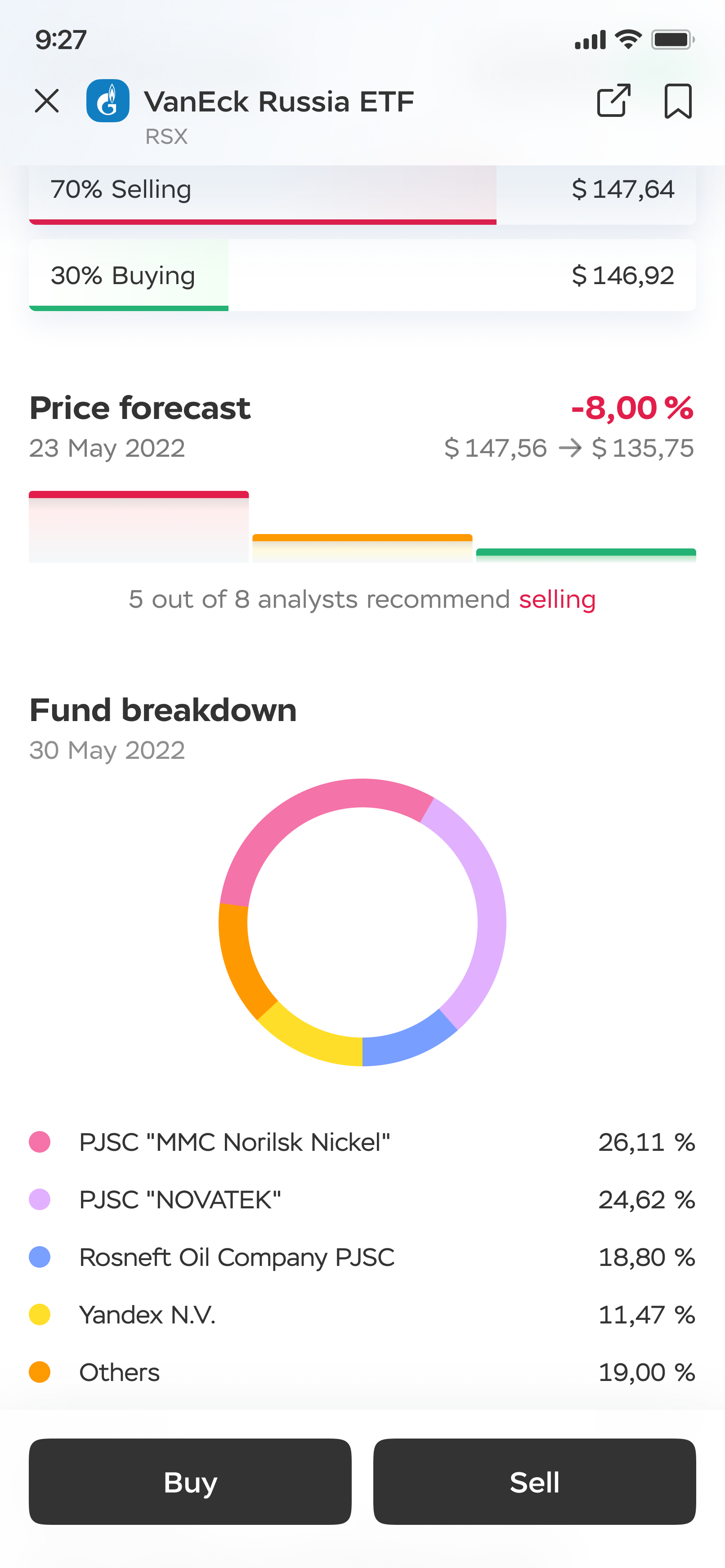
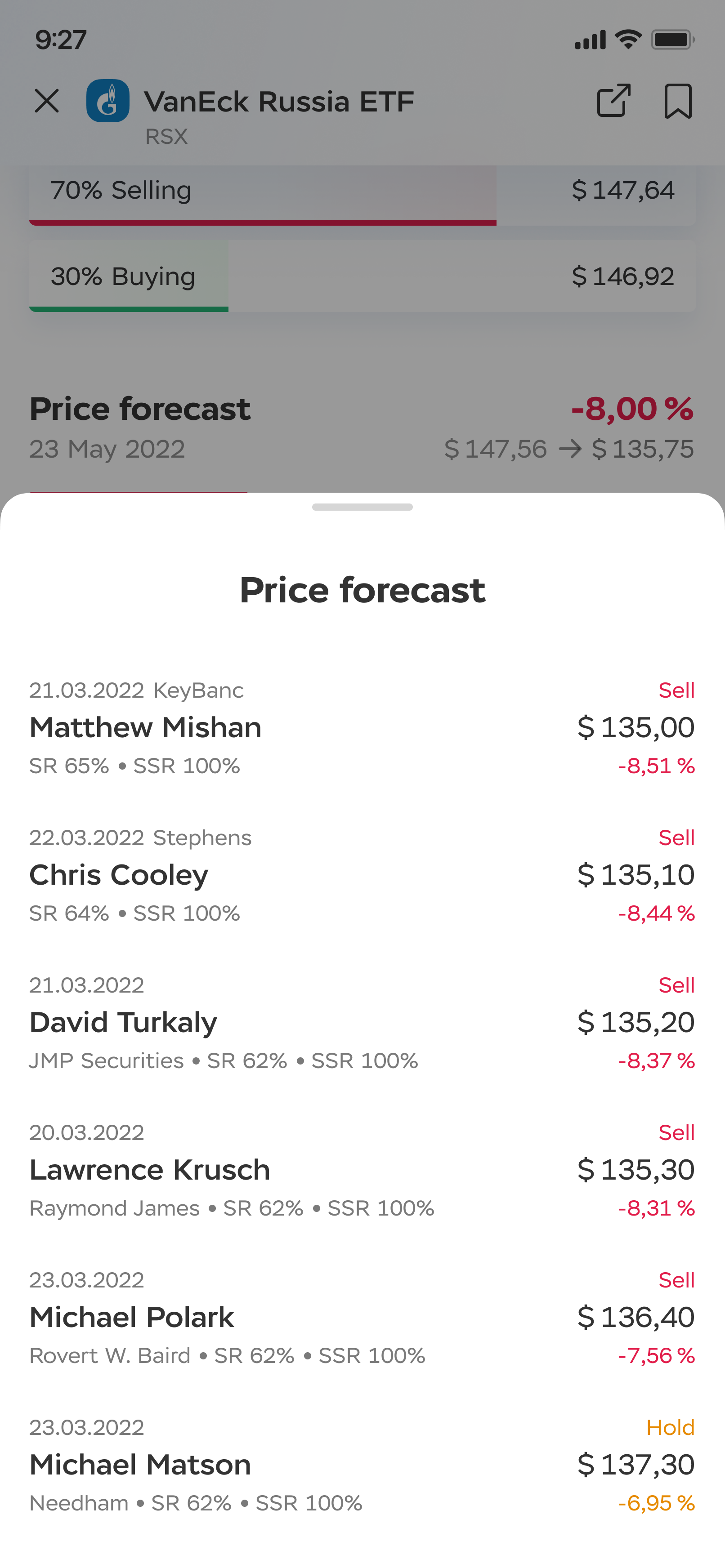
By law, we were not permitted to provide investment advice. However, users felt the need to rely on authoritative opinions. We therefore entered into a partnership with an aggregator of expert forecasts and included the experts’ views in the feed, with links to the sources. I made it clear that we were not providing recommendations on our own behalf, and gave users the opportunity to choose the experts whose opinions they themselves trusted.
SandS
I co-founded The SandS, a company with 7 employees specialising in interaction design. Our main focus was on creating sound effects for the interfaces of e-learning products and video games, as well as composing interactive music and recording voice actors. All the legal work relating to copyright fell to me. I was surprised to discover that the lawyers of most of our partners were drawing up contracts that were flawed and disadvantageous to them. I improved the terms of the contracts to ensure mutual benefit – for both us and our partners (I may well have been the first to come up with the idea of identifying sound recordings using a checksum). Our partners received greater safeguards, whilst we retained a certain degree of flexibility.